
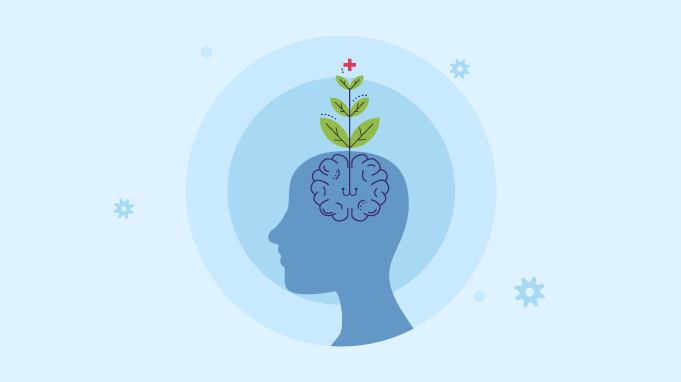
Emotional resilience is the ability to adapt to stress, recover from setbacks, and maintain psychological well-being in the face of challenges. Mental health awareness plays a pivotal role in building this resilience by helping individuals understand their emotions, recognize stressors, and implement strategies that support long-term emotional stability. Developing emotional resilience is not only essential for personal well-being but also contributes to healthier relationships, improved productivity, and a more fulfilling life. By taking deliberate steps informed by mental health awareness, individuals can strengthen their ability to navigate life’s challenges effectively.
Understanding Emotional Resilience
Defining Emotional Resilience
Emotional resilience refers to the capacity to manage stress, cope with adversity, and maintain a positive outlook despite challenges. It does not mean avoiding stress or emotional difficulties; rather, it involves responding constructively and recovering from them. Awareness of emotional health is the foundation of resilience, enabling individuals to identify triggers, understand their reactions, and implement adaptive coping mechanisms.
The Importance of Mental Health Awareness
Mental health awareness is crucial for recognizing early signs of stress, anxiety, or emotional distress. It equips individuals with knowledge about their emotional states and provides tools to manage challenges effectively. Awareness fosters self-understanding, encourages proactive self-care, and reduces the risk of developing more severe mental health conditions.
Connection Between Awareness and Resilience
Awareness and resilience are intrinsically connected. By being aware of one’s thoughts, feelings, and behaviors, individuals can respond rather than react to challenges. Mental health awareness enables reflection, promotes adaptive coping strategies, and strengthens the capacity to recover from adversity.
Identifying Personal Stressors
Recognizing External Stressors
External stressors include environmental pressures, work-related challenges, financial difficulties, and interpersonal conflicts. Mental health awareness involves identifying these stressors early to prevent them from overwhelming emotional resources. Awareness enables individuals to take proactive steps, such as adjusting workloads, seeking support, or developing problem-solving strategies.
Recognizing Internal Stressors
Internal stressors stem from personal beliefs, thought patterns, and emotional responses. Negative self-talk, perfectionism, or unrealistic expectations can amplify stress. Awareness of internal stressors allows individuals to challenge unhelpful patterns, develop self-compassion, and cultivate a balanced perspective.
Monitoring Emotional Responses
Regular self-reflection and monitoring of emotional responses help identify patterns that affect resilience. Journaling, mindfulness, and mood tracking provide insight into triggers, responses, and areas for improvement. Awareness of emotional responses is critical for adapting strategies that build resilience over time.
Developing Coping Mechanisms
Stress Management Techniques
Effective coping requires awareness of the body’s and mind’s response to stress. Techniques such as deep breathing, progressive muscle relaxation, guided visualization, and meditation reduce physiological arousal and promote calmness. Practicing these strategies regularly strengthens the ability to manage stress and enhances emotional resilience.
Cognitive Reframing
Cognitive reframing involves recognizing negative thought patterns and replacing them with constructive alternatives. Mental health awareness enables individuals to identify irrational beliefs, reduce catastrophic thinking, and approach challenges with a balanced perspective. Cognitive reframing supports adaptive problem-solving and emotional stability.
Mindfulness Practices
Mindfulness promotes awareness of the present moment without judgment. Practices such as meditation, mindful walking, and breathing exercises increase self-awareness, improve emotional regulation, and reduce rumination. Incorporating mindfulness into daily routines enhances resilience by fostering acceptance and reducing reactivity.
Time Management and Prioritization
Effective time management reduces stress and enhances emotional control. Awareness of priorities, setting realistic goals, and scheduling downtime prevent overwhelm and promote balance. Structured routines create predictability, which supports resilience in navigating challenges.
Strengthening Social Support
Building Strong Relationships
Strong social connections are vital for emotional resilience. Awareness of the importance of social support encourages nurturing relationships, practicing empathy, and maintaining open communication. Supportive relationships provide encouragement, perspective, and assistance during challenging times.
Seeking Professional Support
Professional guidance, such as therapy or counseling, strengthens resilience by providing evidence-based tools for managing stress and emotional challenges. Awareness of available mental health resources ensures individuals access appropriate care when needed.
Engaging in Peer Support
Peer support groups provide safe spaces to share experiences, gain advice, and feel understood. Awareness of such resources allows individuals to connect with others facing similar challenges, enhancing emotional strength and coping capacity.

Promoting Healthy Lifestyle Habits
Physical Activity and Exercise
Regular exercise supports mental health by reducing stress hormones, increasing endorphin levels, and improving sleep quality. Awareness of the connection between physical activity and emotional well-being encourages consistent routines that enhance resilience.
Nutrition and Hydration
A balanced diet and adequate hydration influence cognitive function and emotional stability. Awareness of nutrition’s impact on mental health encourages habits that support mood regulation, focus, and overall resilience.
Sleep Hygiene
Quality sleep is critical for emotional regulation and stress management. Awareness of sleep patterns, maintaining regular schedules, and creating conducive sleep environments improves recovery from stress and strengthens resilience.
Limiting Harmful Substances
Substances such as alcohol, nicotine, or recreational drugs can negatively affect emotional regulation and coping. Awareness of their impact helps individuals make informed decisions that preserve resilience and mental well-being.
Building Emotional Intelligence
Self-Awareness
Self-awareness is the foundation of emotional resilience. Awareness involves recognizing emotions, understanding triggers, and reflecting on behavioral responses. Enhanced self-awareness promotes adaptive coping and proactive management of challenges.
Self-Regulation
Self-regulation involves controlling impulses, managing emotional reactions, and maintaining composure under stress. Awareness of personal tendencies and triggers supports the development of self-regulation strategies, strengthening resilience.
Empathy and Social Skills
Empathy allows individuals to understand others’ perspectives and respond compassionately. Awareness of social dynamics and emotional cues enhances relationships, builds supportive networks, and fosters collective resilience within families and communities.
Motivation and Optimism
Awareness of personal goals, values, and strengths encourages motivation and a positive outlook. Optimism strengthens resilience by promoting perseverance, problem-solving, and adaptive responses to setbacks.
Integrating Awareness into Daily Life
Routine Self-Reflection
Daily self-reflection strengthens emotional intelligence and resilience. Awareness of emotional patterns, reactions, and stressors allows individuals to adjust coping strategies, make informed choices, and maintain stability.
Mindful Daily Practices
Incorporating mindfulness into daily routines—through meditation, journaling, or mindful activities—enhances awareness, reduces stress, and fosters resilience. Consistent practice reinforces emotional balance and adaptability.
Continuous Learning
Awareness requires ongoing education about mental health, emotional regulation, and coping strategies. Learning about new techniques, research, and practices strengthens resilience and equips individuals to handle emerging challenges effectively.
Encouraging Community and Family Engagement
Resilience is strengthened through supportive social environments. Awareness of the value of community involvement and family connection encourages participation in shared activities, collaborative problem-solving, and mutual support networks.
Preventive Strategies for Long-Term Resilience
Early Recognition of Warning Signs
Awareness of early indicators of stress, anxiety, or emotional challenges allows timely intervention. Preventive strategies include professional support, lifestyle adjustments, and social engagement to maintain resilience.
Developing Adaptive Coping Skills
Skills such as problem-solving, emotional regulation, and mindfulness help individuals respond constructively to stress. Awareness of these strategies enables proactive application in daily life, preventing emotional overwhelm.
Cultivating a Growth Mindset
A growth mindset encourages viewing challenges as opportunities for learning and development. Awareness of personal strengths and areas for improvement fosters perseverance, adaptability, and resilience.
Promoting Balance and Self-Care
Maintaining balance between work, personal responsibilities, and leisure is essential for resilience. Awareness of self-care needs and boundaries ensures consistent attention to emotional well-being and long-term mental health.
Conclusion
Building emotional resilience requires intentional effort, guided by mental health awareness. Recognizing stressors, implementing coping strategies, fostering supportive relationships, and maintaining healthy habits all contribute to stronger emotional stability. Awareness empowers individuals to respond adaptively to challenges, recover from setbacks, and maintain overall well-being. By integrating these steps into daily life, individuals, families, and communities can cultivate resilience, reduce the impact of stress, and achieve long-term emotional health. Mental health awareness is the foundation of a resilient mind, providing the tools and understanding necessary to thrive in the face of life’s inevitable challenges. Navigate easily through our content by starting from the main page.
FAQs
What are the key steps to building emotional resilience?
Key steps include self-awareness, stress management, mindfulness, cognitive reframing, social support, healthy lifestyle habits, and continuous learning. Awareness ensures these steps are applied effectively for long-term emotional well-being.
How does mental health awareness contribute to resilience?
Awareness allows individuals to recognize stressors, understand emotional responses, implement coping strategies, and seek support when needed. This proactive approach strengthens the ability to navigate challenges and recover from setbacks.
Can emotional resilience be developed at any age?
Yes. Emotional resilience can be cultivated at any stage of life through awareness, education, self-reflection, healthy habits, and supportive relationships. Consistent practice of these strategies promotes lifelong mental well-being.


