Understanding Structural Steel Installation
Structural steel installation is a pivotal process in modern construction, forming the backbone of many buildings and structures. From residential houses to skyscrapers, the role of structural steel is indispensable. The precision and expertise required in structural steel installation cannot be overstated, as improper installation can lead to catastrophic failures. In this article, we will explore the nuances of structural steel installation, its components, and the best practices for ensuring a successful outcome.
Importance of Structural Steel in Construction
Structural steel provides remarkable strength-to-weight ratios, enabling architects and engineers to create innovative designs while maintaining structural integrity. Its durability is a key factor; steel does not warp, crack, or creep like other materials, which translates to lower maintenance costs over time. Moreover, its recyclability makes it an environmentally friendly choice, aligning with contemporary sustainable building practices.
Basic Components Involved in Installation
The installation of structural steel involves various components, each contributing to the overall stability and safety of the structure. Key elements include:
- Beams: Horizontal structural elements that support loads from above.
- Columns: Vertical elements that transfer loads from the beams downward to the foundation.
- Joists: Small beams that support floors or ceilings.
- Braces: Diagonal supports that provide rigidity against lateral forces.
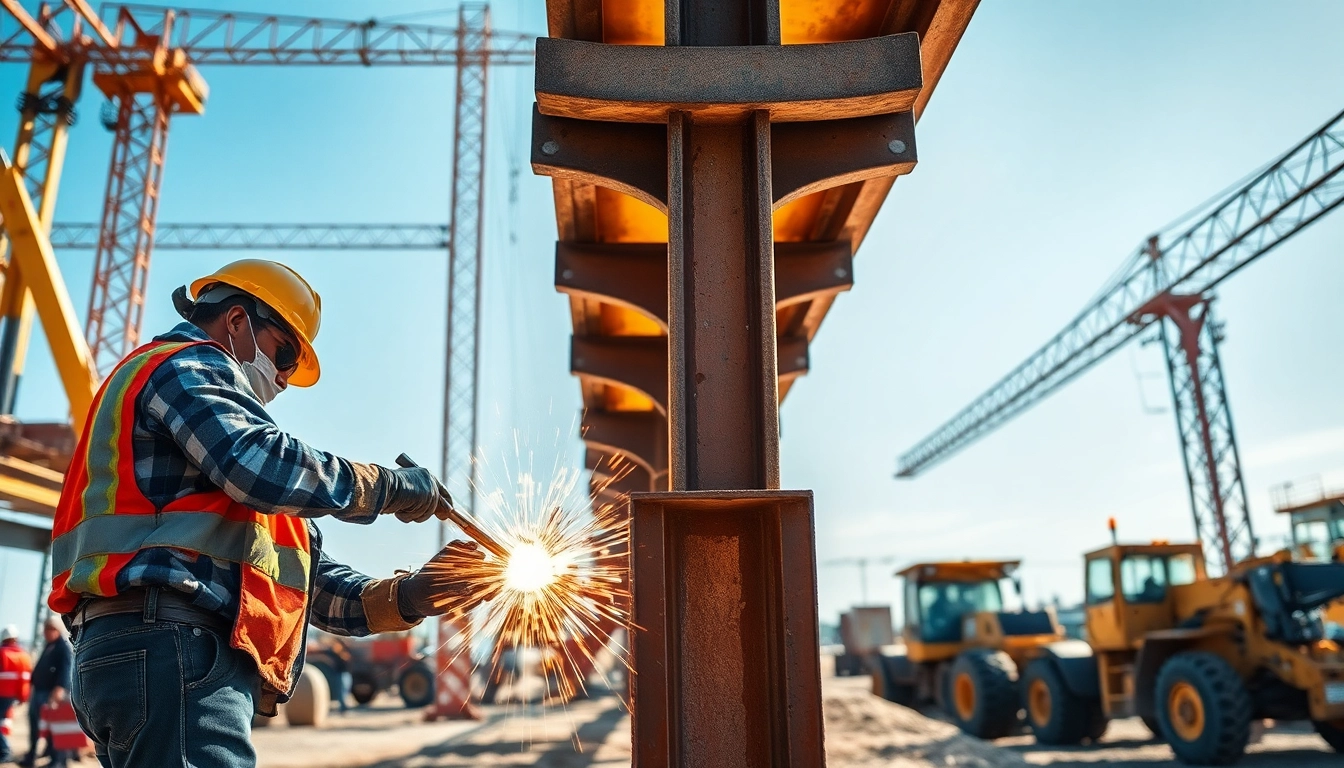
- Connections: The joints between steel components that can be bolted or welded.
Overview of the Installation Process
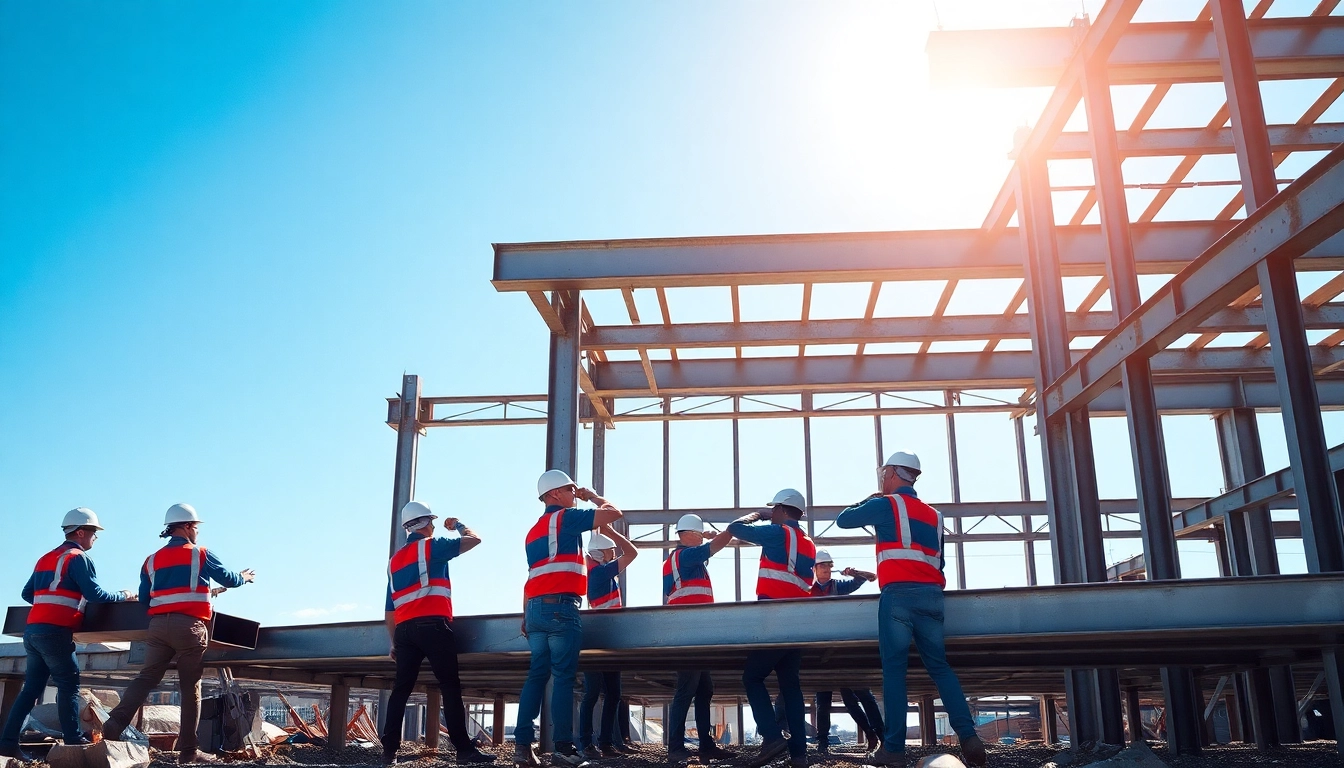
The installation process typically follows a systematic series of steps to ensure accuracy and safety. It includes site preparation, material delivery, assembly, and final inspections. Each phase demands careful planning and execution to address potential challenges such as site conditions and safety regulations.
Preparation for Structural Steel Installation
Site Analysis and Planning
Before commencing any structural steel installation, a detailed site analysis is crucial. This involves assessing soil conditions, topography, and the surrounding environment. Understanding these factors helps in determining the foundation requirements and construction methodologies. Additionally, effective planning outlines the sequence of construction activities, reducing downtime and coordinating various crews.
Choosing the Right Materials and Tools
The choice of materials directly impacts the quality of the installation. High-strength steel with appropriate grade specifications must be selected. Additionally, choosing the right tools, such as cranes, lifts, and welding equipment, is essential for efficiency and safety during the installation process.
Safety Standards and Guidelines
Compliance with safety standards is non-negotiable in structural steel installation. OSHA regulations and local building codes dictate safety protocols. Regular training sessions for crew members on safety practices and emergency procedures are vital to minimize risks associated with working at heights and handling heavy materials.
Best Practices in Structural Steel Installation
Precision in Alignment and Erection
One of the key factors influencing the success of structural steel installation is precision. Accurate measurements during the erection phase ensure that each component fits as intended. Discrepancies can lead to structural weaknesses and challenges during the construction process. Using advanced positioning systems and laser technology can significantly enhance alignment accuracy.
Effective Communication Among Crew Members
Communication is the backbone of any construction project. Establishing clear lines of communication among the team helps in coordinating tasks and addressing issues promptly as they arise. Daily briefings and the use of communication technology can facilitate better interaction, ensuring that every crew member is aware of their specific responsibilities.
Utilizing Technology in Installation
Advancements in technology have transformed the landscape of structural steel installation. Tools such as Building Information Modeling (BIM) assist in visualizing the project and improving collaboration among stakeholders. Drones can be employed for site surveys, while sophisticated software can manage project timelines and resources effectively.
Common Challenges in Structural Steel Installation
Weather-Related Delays
Weather conditions can significantly impact the construction schedule, often leading to delays that can be costly. Adequate planning includes developing contingency strategies for adverse weather, such as using temporary shelters or adjusting work schedules. Implementing an adaptive project management approach will help in mitigating these delays.
Site-Specific Limitations and Solutions
Each construction site comes with its unique challenges, from space constraints to existing structures. Conducting thorough site assessments can help identify potential limitations early. Solutions may involve adjusting the lifting methods or modifying the installation sequence to accommodate site restrictions.
Ensuring Structural Integrity and Safety
The safety and durability of a building hinge on the proper installation of structural steel. Regular inspections throughout the installation process are essential to identify and rectify any issues before they escalate. Engaging third-party inspectors can provide an unbiased assessment of the work done, ensuring adherence to established standards.
Evaluating Your Structural Steel Installation
Performance Metrics and Success Indicators
Evaluating the success of a structural steel installation involves monitoring various performance metrics. Key indicators include adherence to timelines, budget adherence, and safety incident rates. Assessing these metrics helps in identifying areas for improvement and ensures better planning for future projects.
Post-Installation Inspection Procedures
Conducting a post-installation inspection is crucial for ensuring that all components meet quality standards. This involves checking the alignment, welds, and bolts to verify that every element is secure and functional. A thorough inspection not only promotes safety but also assists in maintaining the structural integrity over time.
Ongoing Maintenance and Adjustments
The work doesn’t end once the installation is complete. Ongoing maintenance is essential to prolong the life of structural steel. Regular inspections and preventative maintenance plans should be established, ensuring any signs of corrosion, deflection, or other issues are addressed promptly. This proactive approach not only enhances safety but also minimizes future repair costs.