
Understanding AI Interviews
What are AI Interviews?
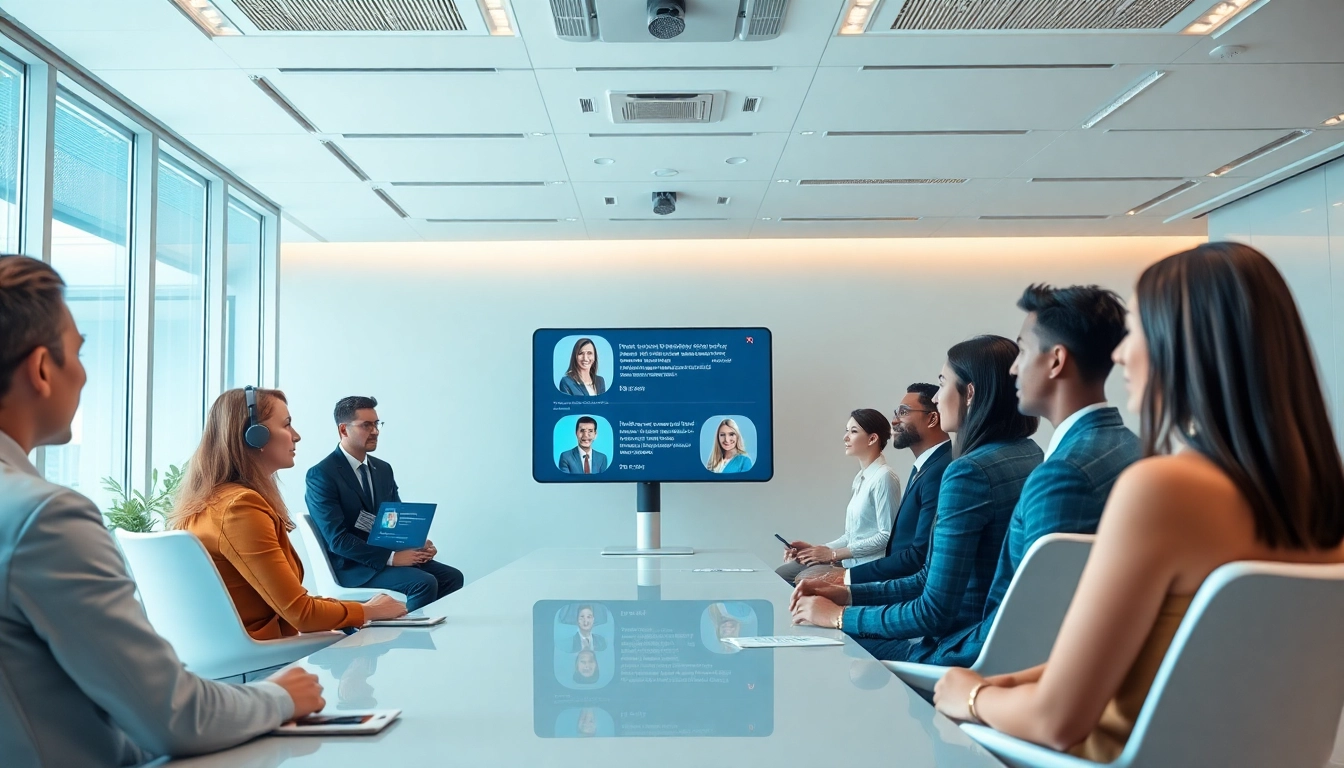
AI interviews refer to the process where artificial intelligence systems conduct job interviews, often replacing human interviewers. This can occur in various formats, from chatbots that pose questions to candidates, to sophisticated video interview platforms that analyze verbal and non-verbal cues. By employing algorithms and machine learning, these AI systems are designed to assess candidates’ responses, provide feedback, and even suggest next steps in the hiring process. As technology advances, many companies are integrating AI into their recruitment strategies to streamline hiring, reduce biases, and improve the overall candidate experience. However, the implications of such technology raise important questions around its effectiveness and accessibility.
Advantages of AI Interviews for Candidates
There are several advantages that AI interviews present for candidates, which can significantly alter the job-seeking landscape:
- Accessibility: AI interviews can offer candidates greater flexibility with scheduling, as they can take place outside normal business hours or on demand.
- Streamlined Process: With AI handling initial assessments, candidates may receive faster feedback and potentially move through the hiring funnel more quickly.
- Anonymity: Some candidates may feel more comfortable speaking with AI, as it removes the pressure of human judgment, potentially leading to more honest and open responses.
- Practice Opportunities: Candidates can leverage various AI tools to practice interview questions tailored to their desired positions, receiving immediate feedback to refine their responses.
Cautions: Possible Downsides of AI Interviews
While there are benefits, there are also notable drawbacks that candidates should consider:
- Lack of Personal Connection: Candidates may feel that AI-driven interviews are impersonal, which can inhibit their ability to communicate effectively.
- Bias in Algorithms: If AI systems are based on biased data sets, they can inadvertently perpetuate existing prejudices against certain groups of candidates.
- Over-reliance on Technology: Organizations may excessively depend on AI, potentially ignoring the nuances and contextual understanding that a human interviewer could provide.
- Technical Issues: Candidates might encounter glitches or lack technical expertise to navigate AI platforms, leading to an uneven playing field.
Preparing for AI Interviews
Key Tools and Resources for Preparation
Preparation for AI interviews can be significantly enhanced by utilizing various tools and resources:
- AI Interview Preparation Platforms: Platforms like InterviewsBy.ai allow candidates to practice tailored interview questions and get instant feedback.
- Mock Interview Simulators: Tools like Final Round AI provide environments where candidates can simulate real interviews and receive constructive criticism.
- Communicative AI Tools: Resources like Google’s Interview Warmup offer practice sessions where candidates can record their responses, gaining insights on their performance.
- Online Forums and Community Support: Engaging in discussions on platforms such as Reddit or LinkedIn can help candidates gain insights about others’ AI interview experiences.
Common AI Interview Questions
Understanding frequently asked questions can provide a significant edge during AI interviews. Here are some common examples:
- Tell me about yourself: A classic opener to determine candidates’ self-awareness and communication skills.
- What are your strengths and weaknesses? Evaluates candidates’ introspection and alignment with role requirements.
- Describe a challenging situation and how you overcame it: Assesses problem-solving skills and resilience.
- Why do you want to work here? Gauges candidates’ motivation and understanding of company values.
Mock Interviews with AI Tools
Mock interviews are an essential component of preparation. They provide opportunities to practice responses and develop comfort with interview formats. Tools like Interviewer.AI can replicate the actual interview environment, offering features like structured interviews, real-time feedback, and analysis of body language and tone, which can be invaluable for improving performance. Candidates should integrate mock interviews into their preparation routines, reflecting on their performance post-simulation to identify areas for improvement.
During the AI Interview
How to Present Yourself Effectively
First impressions are pivotal, even in AI interviews. Here are several strategies for candidates to present themselves effectively:
- Dress Professionally: Even in a virtual setting, dressing appropriately can enhance confidence and professionalism.
- Body Language: Maintain good posture, eye contact (where applicable), and engage actively with the AI, as it can analyze non-verbal cues.
- Clarity and Conciseness: Respond to questions clearly and avoid rambling; AI systems typically value straightforwardness.
- Prepare Examples: Have structured responses ready, using the STAR technique (Situation, Task, Action, Result) to articulate experiences effectively.
Managing Stress in AI Interviews
Job interviews can be stressful, and navigating an AI interview presents its unique challenges. Here are techniques to manage anxiety:
- Familiarize Yourself with the Technology: Understanding the AI platform before the interview can alleviate technical fears. Practice using the tools that will be employed during the interview.
- Mindfulness Techniques: Practice breathing exercises and visualization techniques to maintain calm and focus during the interview.
- Active Preparation: Role-playing with a friend or utilizing mock tools can greatly increase confidence levels.
- Focus on Communication: Concentrate on sharing your narrative rather than fixating on the technology, which shifts focus from anxiety-inducing elements.
Types of Feedback You Can Expect
Feedback from AI interviews can come in various forms, gauging different aspects of a candidate’s performance:
- Performance Metrics: AI tools can provide objective ratings based on response quality, including clarity, structure, and relevance.
- Emotion Detection: Some advanced systems can assess emotional tone and determine engagement levels, offering insights into how well a candidate connects.
- Detailed Reports: Candidates may receive feedback reports highlighting strengths, weaknesses, and areas needing improvement, facilitating constructive reflection.
- AI Suggestions: Many tools offer personalized tips for future improvement, which can directly inform candidate strategy moving forward.
Post-Interview Considerations
Evaluating AI Interview Experiences
Post-interview reflection is essential. Candidates should evaluate their experience critically, considering the following:
- Self-Assessment: Reflect on your responses and identify moments where you felt strong or areas where you faltered.
- Feedback Utilization: Analyze any feedback received from the AI system for actionable insights that may enhance your approach in future interviews.
- Technical Comfort: Assess your comfort level with the AI platform—understanding any struggles may inform how you prepare for future encounters.
Adapting After AI Interviews
Post-interview, adaptability is crucial, particularly in today’s fast-paced job market. Here’s how to effectively adapt:
- Incorporate Feedback: Apply lessons learned from AI-generated feedback to improve upon weaknesses for future interviews.
- Explore New Platforms: Leverage new tools and resources that might provide additional practice opportunities.
- Network for Insights: Engage with peers and professionals on networks like LinkedIn to gather insights about their experiences with AI interviews.
- Continuous Learning: Consider enrolling in workshops or courses that focus on interview tactics and how to navigate advanced AI systems.
Follow-up Strategies with Employers
Following up after interviews can leave a lasting positive impression. Here are effective follow-up strategies:
- Gratitude Notes: Sending a thank-you email or note expressing appreciation for the opportunity can reinforce your interest.
- Inquiries About Next Steps: Politely ask about timelines for feedback or next steps, showcasing your eagerness while remaining respectful of their process.
- Personalized Communication: Tailor follow-up messages to reference specific discussions during the interview to demonstrate attentiveness and personal investment in the role.
The Future of AI in Recruitment
Trends Shaping AI Interviews
As AI becomes increasingly integrated into recruitment processes, several trends are emerging:
- Enhanced Customization: Future AI platforms are expected to offer more personalized question sets based on candidate profiles, roles, and industry insights.
- Data-Driven Insights: Recruiters will leverage data analytics to predict candidate success rates based on AI assessments, transforming traditional hiring metrics.
- Increased Human-AI Collaboration: Hybrid models involving both AI assessments and traditional interviews are likely to evolve, merging human empathy with technological efficiency.
- Focus on Soft Skills: AI tools will increasingly aim to assess interpersonal skills and emotional intelligence, recognizing their importance in workplace dynamics.
Employer Perspectives on AI Interviews
Employers’ attitudes towards AI interviews are gradually shifting:
- Efficiency Driven: Many companies are drawn to AI’s ability to streamline the screening process, reducing time-to-hire and cost-per-hire.
- Reducing Bias: Employers envision AI as a tool to help eliminate biases that can occur in traditional hiring settings, promoting diverse work environments.
- Challenges of Trust: However, some employers express caution, emphasizing the need for human oversight to maintain the integrity of hiring decisions.
- Adaptive Strategies: As AI interviews gain popularity, organizations will likely prioritize training for HR teams to blend AI insights with human judgment.
Preparing for Changes in Job Hunting
As AI interviews become standard practice, job seekers must adapt. Here are strategies for preparation:
- Familiarize with AI Tools: Candidates should actively seek out and familiarize themselves with relevant AI tools and platforms they may encounter in their job search.
- Engage in Continuous Learning: Upskill through workshops, courses, and webinars focused on effectively navigating AI interviews and enhancing personal branding.
- Network Strategically: Build relationships with industry professionals to learn about emerging trends in AI applications within recruitment.