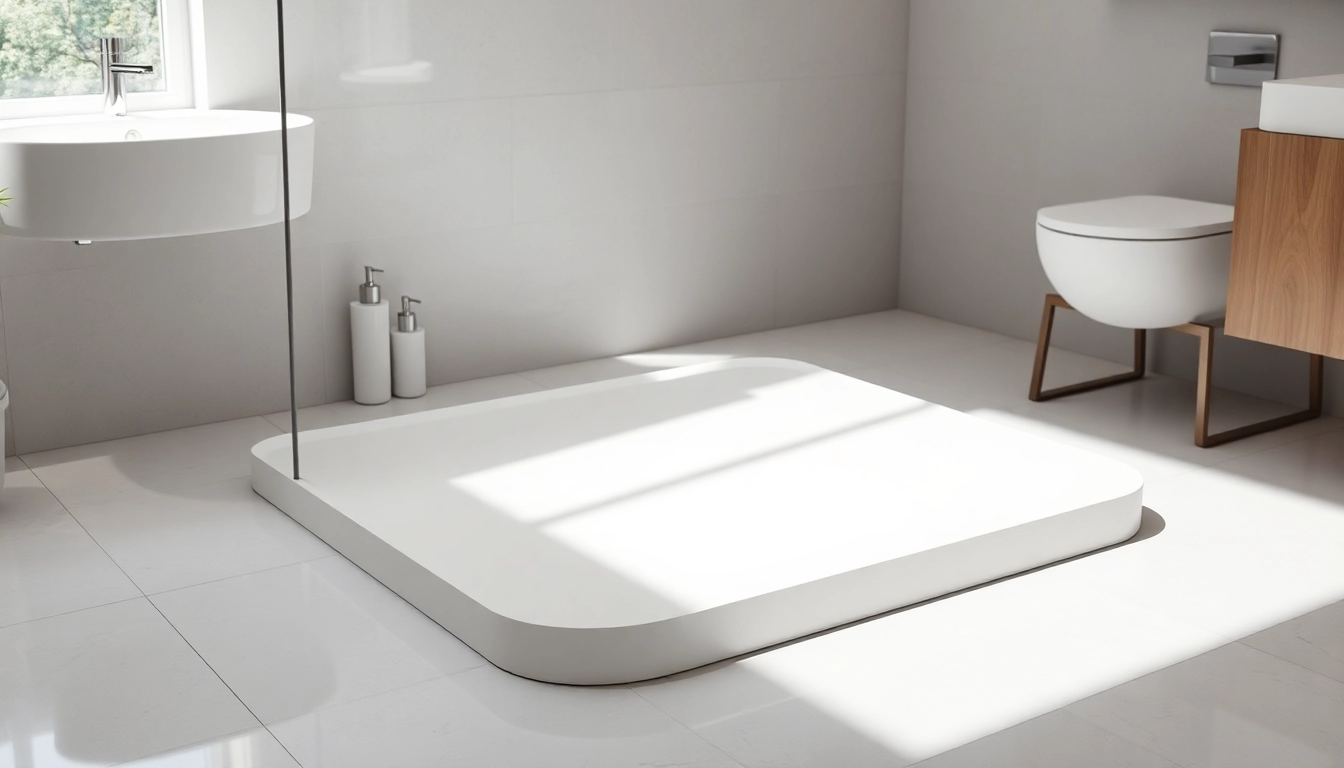
Understanding Shower Bases
What is a Shower Base?
A shower base is a fundamental component of a shower design, serving as the floor of the shower enclosure. It is designed to channel water to the drain and prevent leaks. Shower bases can come in a variety of forms, shapes, and sizes, making them a versatile choice for any bathroom layout. They are essential for maintaining structure and ensuring that the space remains easy to clean and functional over time. When it comes to choosing a shower base, understanding how they fit into your overall bathroom design is crucial.
Types of Shower Bases
Shower bases are available in several types to accommodate different design preferences and installation requirements. The main categories include pre-fabricated shower pans, custom tiled shower bases, and integrated shower bases that seamlessly blend with the rest of the bathroom flooring. Pre-fabricated bases are typically easier and quicker to install, while custom tiled options allow for more design creativity. Integrated bases offer a more modern aesthetic and can improve accessibility.
Benefits of a Quality Shower Base
Investing in a high-quality shower base can save you money in the long run, reducing maintenance and repair costs. Quality shower bases are designed to be slip-resistant, enhancing safety. Their durability ensures they can withstand daily wear and tear, while the right base can also improve the aesthetic appeal of your bathroom. A well-chosen shower base can serve both functional and decorative purposes, making it a pivotal aspect of your bathroom renovation or construction project.
Material Choices for Shower Bases
Fiberglass vs. Acrylic
Among the most common materials for shower bases are fiberglass and acrylic. Fiberglass bases are lightweight and often lower in cost, making them a popular choice for budget-conscious homeowners. However, they may be prone to cracking and fading over time. Acrylic shower bases, on the other hand, offer superior durability and aesthetic options, resistant to chipping and staining. They are generally more expensive but can provide better longevity and a more polished look.
Stone and Tile Shower Bases
Stone and tile bases add a touch of luxury to any shower space. They can be customized to match the exact dimensions of the shower area and can include intricate designs and textures. Natural stone materials, such as slate or granite, are appealing for their beauty but require more maintenance than fiberglass or acrylic. Tile bases also offer countless design options; however, the grout lines can accumulate dirt and mold if not properly maintained. Choosing the right material will depend on your budget, desired aesthetic, and ease of maintenance.
Durability Considerations
Durability is a critical factor when selecting a shower base, as it determines how long the material will last and how well it withstands daily use. High-quality materials resist water damage, scratches, and cracks, while their non-slip surfaces enhance safety. Always consider the warranty offered by manufacturers, as a longer warranty typically implies a higher level of confidence in product durability. Proper installation also plays a pivotal role in the longevity of your shower base.
Installing Your Shower Base
Required Tools and Materials
Before beginning the installation of your shower base, ensure you have the right tools and materials. Essential tools include a level, measuring tape, utility knife, and possibly a power drill. You will also need materials like mortar or adhesive, a drain assembly, waterproofing membrane, and the shower base itself. Preparing your workspace effectively will streamline the installation process and minimize complications.
Step-by-Step Installation Guide
1. Prepare the Subfloor
Make sure the subfloor is clean, dry, and level. Any imperfections can affect the stability of your shower base.
2. Set Up the Drain Assembly
Install the drain assembly according to the manufacturer's instructions, ensuring it is securely fitted and correctly aligned with the plumbing.
3. Apply a Waterproofing Membrane
For added protection against leaks, apply a waterproofing membrane to the subfloor. This step is critical, especially in moist areas.
4. Place the Shower Base
Carefully position the shower base onto the prepared area, ensuring it is level and fitting snugly around the drain. Adjust as necessary.
5. Secure the Shower Base
Use a mortar bed or adhesive to secure the shower base in place as per the manufacturer's recommendations. Allow it to cure properly.
6. Final Adjustments
Inspect for any gaps and make adjustments as necessary. Once everything is secure, you can continue with tiling or installing walls.
Common Installation Mistakes to Avoid
Common mistakes can lead to costly repairs or safety hazards. One major error is neglecting to ensure a level surface, which can result in improper drainage. Another is not following the manufacturer’s instructions closely, which could compromise the integrity of the installation. Ensure you measure precisely and take your time during the installation process, avoiding the temptation to rush through any steps.
Designing Around Your Shower Base
Choosing the Right Fixtures
When designing your bathroom, the fixtures you select should harmonize with your shower base. Consider the color, material, and style of faucets, shower heads, and handles. Coordinating these elements enhances the overall aesthetic and creates a cohesive environment. Luxurious fixtures paired with a stylish shower base can transform your bathroom into a functional oasis.
Color Schemes and Aesthetics
Choosing the right color scheme is crucial for setting the mood of the bathroom. Neutral tones create a serene escape, while bold colors can provide a lively atmosphere. Your shower base can act as a foundational piece from which to build your color palette. Always consider the light in your bathroom when selecting colors, as natural light can dramatically change the appearance of shades throughout the day.
Maintaining Cohesive Bathroom Design
A cohesive bathroom design flows seamlessly and complements the architecture of your home. Make sure your shower base aligns with other design elements, such as cabinets, countertops, and flooring. Consider using similar materials or colors to create unity. When planning your space, think about accessibility and how the shower base interacts with other areas of the bathroom, maintaining functionality without sacrificing style.
Frequently Asked Questions
FAQ 1: How do I choose the right shower base size?
Measure your shower area carefully, considering the space available and any fixtures nearby. Allow for enough room for comfortable movement and accessibility.
FAQ 2: Can I install a shower base on my own?
While DIY installation is possible for skilled individuals, it’s recommended to hire a professional unless you’re comfortable with plumbing and construction tasks.
FAQ 3: What are the maintenance requirements for a shower base?
Routine cleaning with mild soap and water, along with periodic checks for cracks or mold, can keep your shower base looking new and functioning well.
FAQ 4: Are there eco-friendly options for shower bases?
Yes, several manufacturers produce eco-friendly shower bases using sustainable materials and processes. Research brands that prioritize environmental responsibility when making your selection.
FAQ 5: How do I fix a cracked shower base?
For minor cracks, use a repair kit specific to the base material. For severe damage, replacement may be necessary to avoid leaks and further issues.