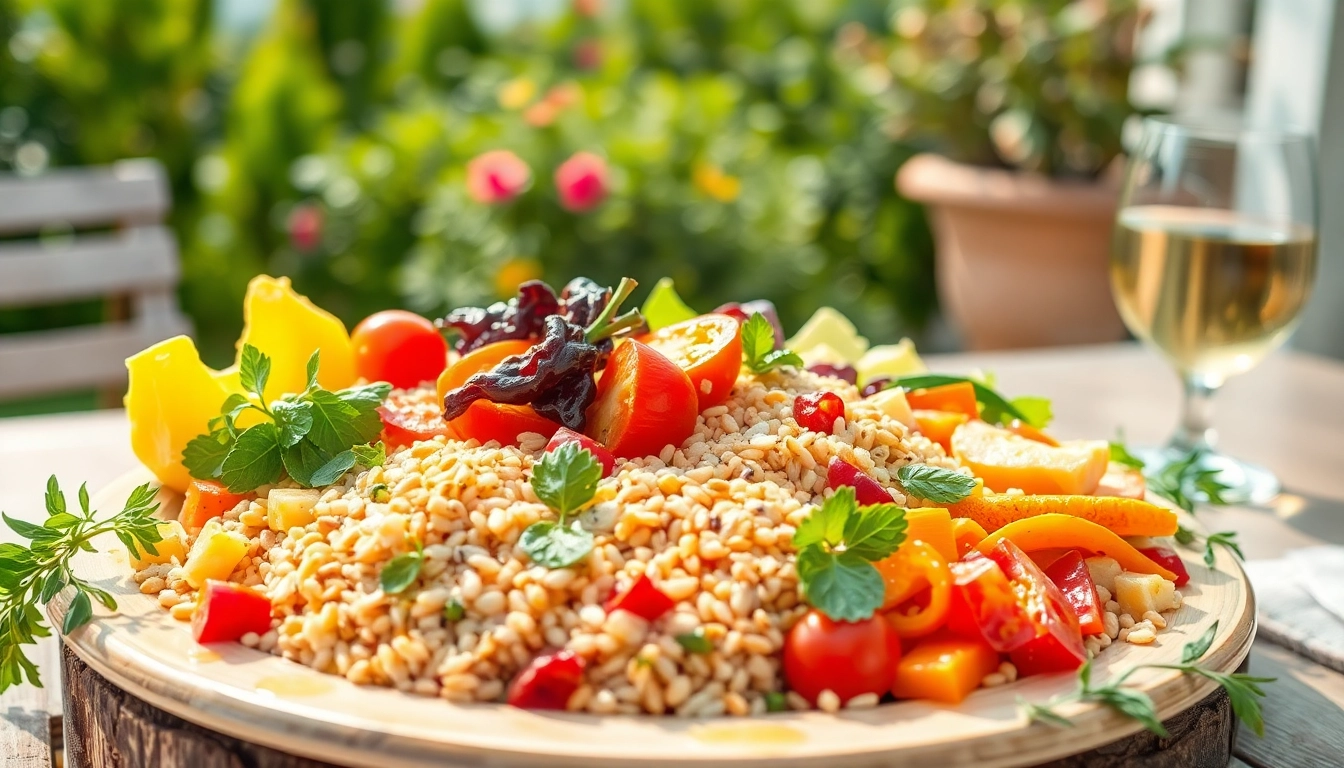
Understanding the Mediterranean Diet
What is the Mediterranean Diet?
The Mediterranean diet is a predominant dietary pattern inspired by the traditional eating habits of countries bordering the Mediterranean Sea. This diet emphasizes a preference for plant-based foods, including fruits, vegetables, whole grains, nuts, and beans, alongside healthy fats, particularly extra virgin olive oil. Notably, it promotes moderate consumption of fish and poultry while limiting red meat and sweets. This balance of nutrient-rich foods has garnered attention for its numerous health benefits and its role in improving overall quality of life.
Emphasizing whole, unprocessed foods, the Mediterranean diet is more than just a list of food items. It's about lifestyle, celebrating social connections and meals shared with family and friends. With rising interest in healthy eating habits, many are turning to the mediterranean diet as an effective approach to health and wellness.
Core Principles of the Mediterranean Diet
The Mediterranean diet is built upon several core principles that guide its followers towards a healthier lifestyle:
- Focus on Plant-Based Foods: A variety of vegetables, fruits, whole grains, legumes, nuts, and seeds form the backbone of the Mediterranean diet, providing essential nutrients and antioxidants.
- Healthy Fats: Extra virgin olive oil is the primary source of fat in this diet. It is rich in monounsaturated fats and antioxidants, contributing to heart health.
- Moderate Animal Protein: Seafood, chicken, and dairy products like yogurt and cheese are consumed in moderation, while red meat is limited.
- Herbs and Spices: Instead of salt, dishes are often flavored with various herbs and spices, enhancing both taste and nutritional benefits.
- Emphasis on Lifestyle: The Mediterranean way of eating promotes mindfulness during meals, the importance of sharing food with others, and regular physical activity.
Health Benefits of the Mediterranean Diet
The Mediterranean diet is renowned for its health benefits, evidenced by numerous studies. Key benefits include:
- Heart Health: Rich in heart-healthy fats and low in saturated fats, this diet contributes to lower cholesterol levels and reduced risk of cardiovascular diseases.
- Weight Management: The focus on whole foods and healthy fats can aid in weight management by promoting satiety and preventing excess calorie consumption.
- Reduced Chronic Disease Risk: Adhering to a Mediterranean diet has been linked to lower rates of type 2 diabetes, certain cancers, and neurodegenerative disorders like Alzheimer's.
- Improved Longevity: Many studies correlate this dietary pattern with increased life expectancy and improved overall health in aging populations.
Key Foods in the Mediterranean Diet
Essential Staples and Ingredients
The Mediterranean diet features a variety of staple foods that not only provide nutrients but also flavors and textures that make meals exciting:
- Fruits and Vegetables: Ideally, aim for a rainbow of colors to ensure a diverse intake of vitamins and minerals.
- Whole Grains: Options like whole wheat bread, brown rice, quinoa, and farro are encouraged, providing fiber needed for gastrointestinal health.
- Legumes: Beans, lentils, and chickpeas are excellent sources of protein and fiber and can serve as a meat alternative in various dishes.
- Healthy Fats: Extra virgin olive oil is a staple, along with avocado and nut butters for additional healthy fat sources.
- Seafood: Rich in omega-3 fatty acids, fish like salmon, tuna, and sardines are recommended several times a week.
- Dairy: Focus on low-fat options, especially yogurt and cheese, which are not only tasty but introduce beneficial probiotics into the diet.
Recommended Meal Components
Building a meal within the Mediterranean diet framework can involve several components:
- Appetizers: Start meals with a variety of mezze, including hummus, olives, and stuffed grape leaves.
- Main Courses: Grilled fish paired with vegetables and a side of whole grains make for a nutritious main dish.
- Desserts: Opt for fresh fruit, Greek yogurt with honey, or nuts to satisfy your sweet tooth without resorting to processed sugary treats.
Creative Cooking Techniques
Cooking methods play a significant role in preserving the health benefits of the Mediterranean diet:
- Grilling: Ideal for proteins like fish and vegetables, grilling enhances flavors without the need for excessive fats.
- Roasting: A technique that allows for caramelization of vegetables, imparting rich flavors while using minimal oil.
- Steaming: A great way to cook vegetables while retaining their nutrients, keeping them vibrant and packed with vitamins.
- Raw Dishes: Salads and dips made with fresh ingredients are staples. They provide numerous nutrients and can serve as refreshing appetizers or side dishes.
Creating a Mediterranean Diet Meal Plan
Sample Weekly Meal Plan
Creating a Mediterranean diet meal plan can help streamline grocery shopping and meal preparation. Here’s a sample week:
DayBreakfastLunchDinnerMondayGreek yogurt with berries and honeyQuinoa salad with chickpeas, cucumber, and fetaGrilled salmon with asparagus and brown riceTuesdayWhole grain toast with avocadoVegetable soup with a side of whole-grain breadStuffed bell peppers with lean ground turkey and pine nutsWednesdaySmoothie with spinach, banana, and almond milkCaprese salad with fresh mozzarella, tomatoes, and basilBaked eggplant with tomatoes and lentilsThursdayOatmeal topped with nuts and dried fruitsWhole grain pasta with pesto and grilled vegetablesRoasted chicken with a side of ratatouilleFridayFruit salad with a sprinkle of granolaFalafel wraps with tahini sauce and mixed greensGrilled shrimp with quinoa and a Mediterranean saladSaturdayShakshuka (eggs poached in tomato sauce)Greek salad with olives and pepperonciniVegetable and fish stew with crusty breadSundayPancakes made with whole wheat flour and topped with fruitBrown rice with steamed broccoli and grilled chickenBaked fish with lemon and herbs, served with roasted potatoes
Meal Prep Tips for the Mediterranean Diet
Meal prepping helps ensure you stick to the Mediterranean diet while saving time during busy weeks:
- Batch Cooking: Prepare grains like quinoa and brown rice in bulk and store them in the fridge for easy meal assembly throughout the week.
- Pre-Chop Vegetables: Spend a few hours at the beginning of the week chopping and washing vegetables, making it simpler to throw together meals.
- Use Airtight Containers: Store meals in portioned airtight containers to keep them fresh and make on-the-go eating easy.
Incorporating Local Ingredients
Utilizing local ingredients not only supports community farms but also ensures you’re getting the freshest produce:
- Farmers' Markets: Regular visits can provide access to seasonal fruits and vegetables.
- Herb Gardens: Grow your own herbs like basil, parsley, and oregano to enhance flavors in your cooking.
- Local Fish and Sea Foods: Seek out local markets or fishmongers, ensuring a sustainable catch and supporting local fisheries.
Navigating Challenges and Misconceptions
Common Misunderstandings about the Mediterranean Diet
Despite its popularity, some misconceptions persist about the Mediterranean diet:
- All Fat is Bad: A common myth is that all fats lead to weight gain. Healthy fats, like those in olive oil, avocados, and nuts, are beneficial for heart health and can enhance satiety.
- It's Too Restrictive: While the Mediterranean diet emphasizes certain foods, it embraces a wide variety of options, allowing for flexibility and creativity in meals.
Adjusting for Dietary Restrictions
The Mediterranean diet is highly adaptable, making it easy to accommodate various dietary restrictions:
- Vegetarian and Vegan Options: This diet easily accommodates plant-based eating. Focus on legumes, grains, nuts, and seeds to provide adequate protein.
- Gluten-Free Variants: Substitute traditional grain-based foods with gluten-free alternatives like quinoa, brown rice, and polenta while enjoying the same Mediterranean flavors.
Budget-Friendly Mediterranean Eating
Eating healthy doesn’t have to break the bank. Implement these tips for a budget-friendly Mediterranean diet:
- Seasonal Shopping: Purchasing seasonal produce can greatly reduce costs while ensuring freshness.
- Frozen and Canned Options: These can be equally nutritious and are generally more affordable compared to fresh options, particularly out of season.
- Family-Style Meals: Cooking larger meals and enjoying them as a family reduces food waste and encourages shared enjoyment of food.
Long-term Adoption of the Mediterranean Diet
Staying Motivated on Your Journey
Adopting a new dietary pattern can be challenging. To maintain motivation, consider the following:
- Join a Community: Engage with others following the Mediterranean diet online or in-person for support and recipe sharing.
- Set Realistic Goals: Establish achievable short-term and long-term goals to keep you focused and encouraged along your journey.
- Celebrate Small Wins: Acknowledge your progress, whether it's trying a new recipe or experimenting with local ingredients.
Measuring Success and Health Outcomes
Assessing your health outcomes can provide a sense of accomplishment and necessary insights for adjustments:
- Regular Health Checkups: Work with a healthcare professional to monitor metrics such as cholesterol levels, blood pressure, and weight changes over time.
- Food Diary: Keeping a journal of your meals can help you stay mindful of your eating habits and identify areas for improvement.
Resources for Continued Learning
There are countless resources available for those looking to learn more about the Mediterranean diet. Consider:
- Cookbooks and Cooking Classes: Explore books written by nutrition experts or enroll in local cooking classes to deepen your understanding of this culinary approach.
- Online Forums: Websites and social media platforms are filled with communities sharing experiences, recipes, and tips.
- Scientific Research: Stay informed about the latest studies linking the Mediterranean diet to various health benefits.