Introduction to Structural Steel Welding
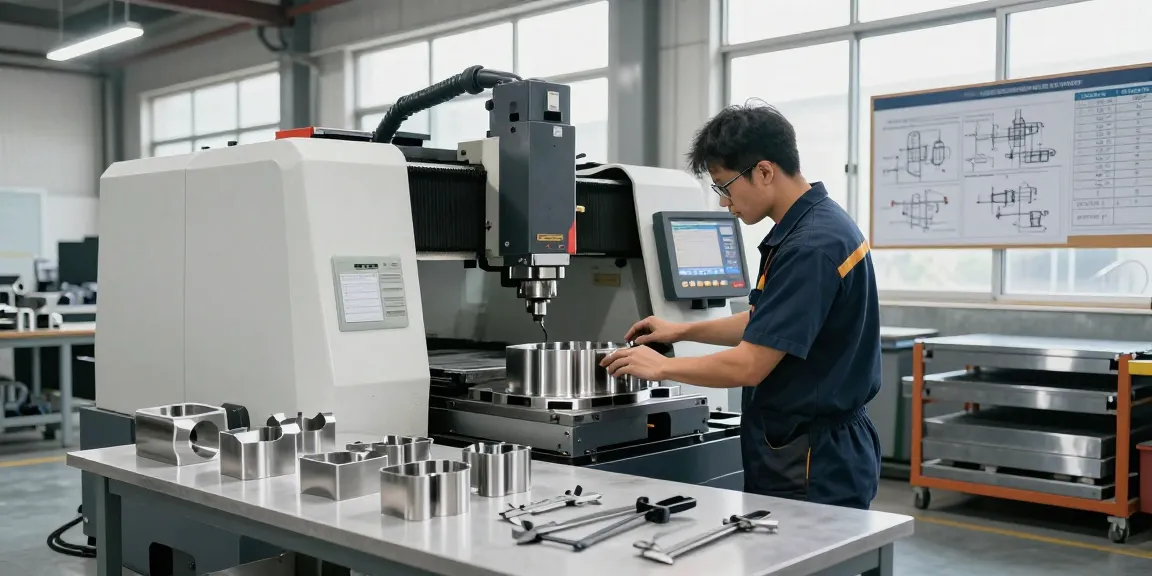
Structural steel welding is a crucial process employed in the construction and metal manufacturing industries, serving as a foundational technique to join steel structural components. As a key aspect of industrial operations, it plays an essential role in building infrastructure, including bridges, skyscrapers, and various architectural structures. Understanding the ins and outs of structural steel welding not only benefits welders but also enhances the overall quality and safety of constructed facilities.
What is Structural Steel Welding?
Structural steel welding refers to the process of permanently joining metal components, specifically tailored for high-strength applications. This technique involves several methods, each tailored for specific environments and materials, to produce robust joints that can withstand substantial loads and stresses. This form of welding requires strict adherence to codes and regulations to ensure safety and quality in construction.
Overview of Common Welding Techniques
There are multiple welding techniques used in the field of structural steel welding, each varying in application, efficiency, and effectiveness. Some of the most common methods include Stick Welding (SMAW), Gas Metal Arc Welding (GMAW), and Flux-Cored Arc Welding (FCAW). Each method has distinct advantages and limitations that make it suitable for specific situations.
Importance of Structural Steel in Construction
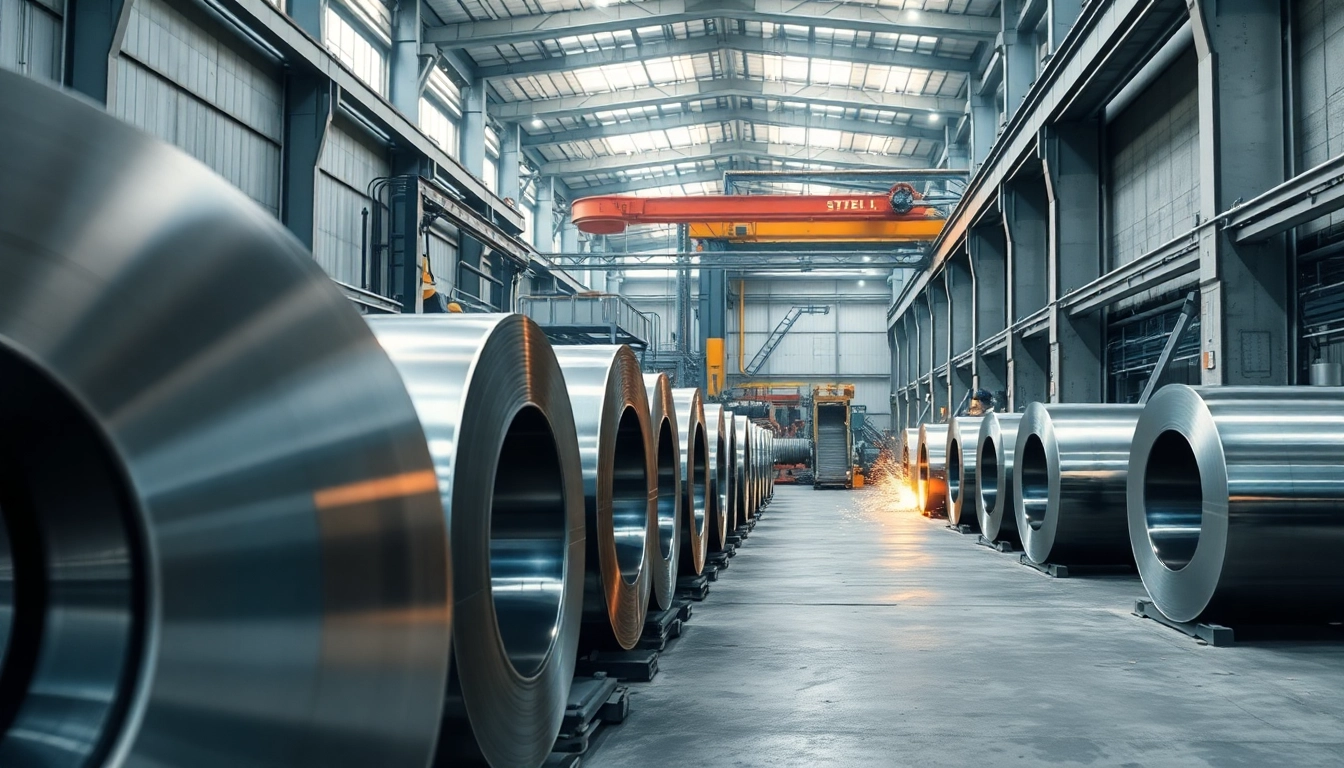
Structural steel, valued for its high strength-to-weight ratio, offers significant advantages in the construction sector. Its flexibility in design allows for innovative architectural projects while maintaining structural integrity. Moreover, the sustainability aspect of utilizing steel—being recyclable and durable—adds to its appeal, making it a preferred material in both commercial and residential construction projects.
Key Methods of Structural Steel Welding
This section delves into the key methods utilized in structural steel welding, highlighting their benefits, drawbacks, and best use cases.
Manual Arc Welding (SMAW)
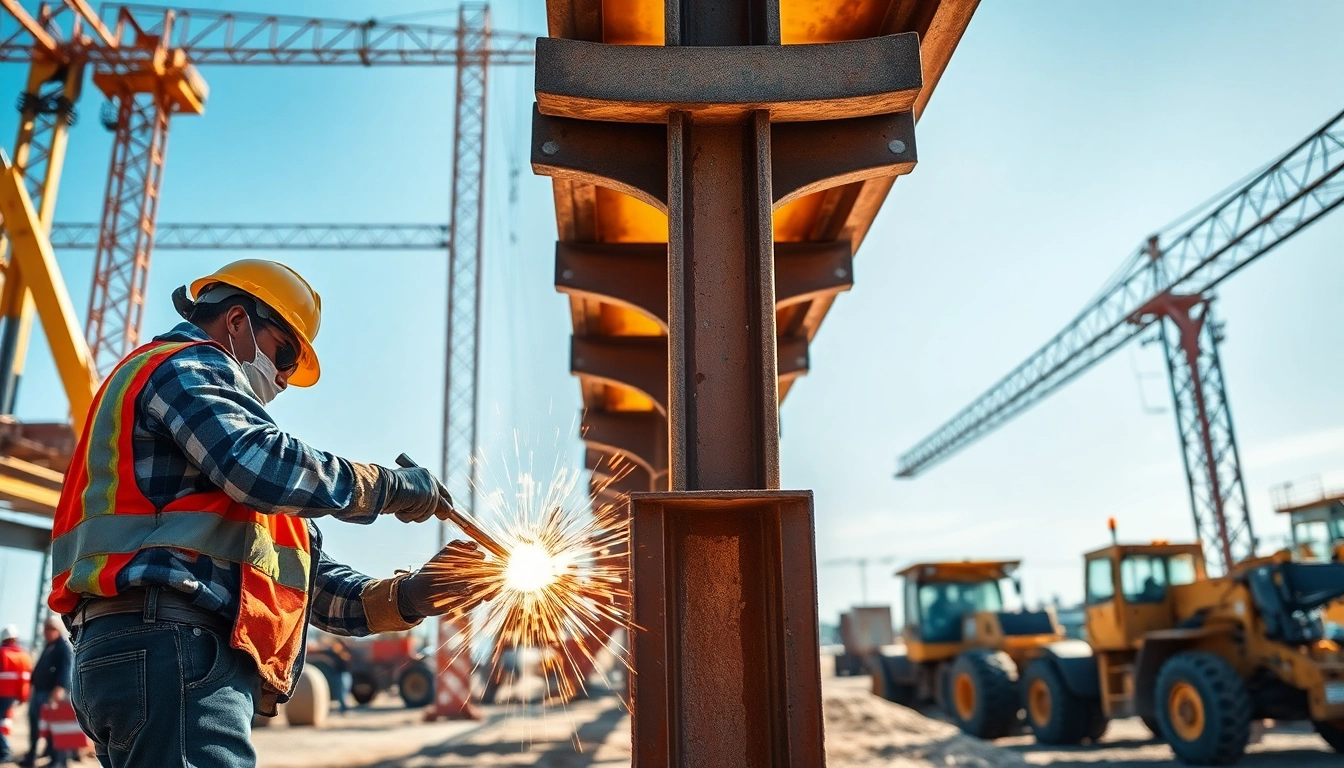
Shielded Metal Arc Welding (SMAW), commonly referred to as stick welding, is one of the oldest and most widely recognized welding techniques. Its adaptability to outdoor settings makes it a popular choice for construction sites. SMAW involves the use of a consumable electrode coated in flux to create the weld. The high heat generated melts both the electrode and the workpieces, forming a strong joint as it cools.
SMAW is particularly advantageous due to its ability to weld in various positions and its portability. However, it requires skilled labor to operate effectively and manage the weld pool, which can limit production rates.
Gas Metal Arc Welding (GMAW)
GMAW, or MIG (Metal Inert Gas) welding, uses a continuous solid wire electrode fed through a welding gun and an inert gas to shield the weld pool from contamination. This method is prevalent in environments that demand high production speeds because it allows for a continuous feed, resulting in faster weld times.
One of the main benefits of GMAW is the cleanliness and aesthetic finish of the welds produced. Compared to SMAW, GMAW generally results in less post-weld cleaning. However, it is less suitable for outdoor applications due to its reliance on a shielding gas that can be disrupted by wind.
Flux-Cored Arc Welding (FCAW)
Flux-Cored Arc Welding is similar to GMAW but employs a tubular wire filled with flux, which can either be self-shielded or require external shielding gas. FCAW is known for its high deposition rates and effectiveness in welding thicker materials, making it ideal for heavy construction projects.
The method provides excellent penetration and can be performed in various positions, but the usability of FCAW often comes down to the specific requirements of the project at hand. Depending on the type of flux used, FCAW can be suitable for both indoor and outdoor applications.
Applications and Industry Standards
The applications of structural steel welding are vast and varied, influencing industries from construction to manufacturing. Understanding the relevant standards ensures compliance and quality across welding practices.
Common Applications of Structural Steel Welding
Structural steel welding is integral in numerous applications, such as:
- Building Construction: From skyscrapers to residential homes, structural steel is fundamental in providing the skeletal framework necessary for stability.
- Infrastructure Projects: Bridges, highways, and tunnels utilize structural steel to ensure durability and resilience against the elements and heavy loads.
- Manufacturing Equipment: In factories, structural steel's strength supports machinery and various manufacturing processes.
- Shipbuilding: The marine industry uses robust steel frameworks to construct ships, ensuring safety and functionality under rigorous conditions.
Understanding Welding Codes and Standards
Compliance with welding codes is paramount in ensuring the quality and safety of welded structures. Organizations such as the American Welding Society (AWS) establish the guidelines that govern welding practices. These codes encompass materials selection, welding procedures, and post-weld testing to guarantee structural integrity.
Key standards one must be familiar with include AWS D1.1 and D1.8, which provide specifications for welding in carbon steel and seismic applications, respectively. Familiarity with these codes not only aids compliance but also enhances the quality of welded structures.
Safety Standards in Welding Operations
Welding operations involve inherent risks, and adherence to safety standards is crucial to protect workers. OSHA provides regulations specific to welding operations, which include the use of personal protective equipment (PPE), proper ventilation, and training for materials handling.
Creating a culture of safety through training and awareness helps mitigate risks and elevates the overall workplace safety standard. This proactive approach not only protects workers but also enhances operational efficiency.
Challenges in Structural Steel Welding
Despite the advantages, structural steel welding presents several challenges that can impact project outcomes. Understanding these challenges and developing proactive strategies is essential for successful welding operations.
Typical Issues Faced during Welding
Some common challenges faced in structural steel welding include:
- Weld Defects: Incomplete fusion, porosity, and cracking can compromise the integrity of a weld.
- Material Distortion: High heat can lead to warping, which may misalign structural components.
- Environmental Factors: Outdoor conditions, such as wind and humidity, can adversely affect weld quality.
Preventative Measures and Solutions
To mitigate these challenges, welders and supervisors must implement strategic solutions:
- Conduct Proper Training: Continuous education on techniques and code compliance helps reduce the occurrence of defects.
- Utilize Pre-Welding Inspections: Assessing the materials and conditions before starting can identify and rectify potential issues early on.
- Control Environmental Conditions: Whenever possible, use enclosures or shields to protect the welding area from drafts, rain, or snow.
Future Trends in Structural Welding
The future of structural steel welding is poised for significant advancements due to technology integration. Automation and robotics are expected to increase efficiency and precision, reducing the likelihood of human error while enhancing productivity. Additionally, advancements in welding technologies, such as laser and hybrid welding, are emerging, offering greater control and capability for complex geometries.
Furthermore, innovations in materials science—leading to the development of high-strength steels and composites—are likely to alter welding methodologies, requiring adaptive techniques and training.
Career Opportunities in Structural Steel Welding
As the demand for skilled workers in structural steel welding expands due to infrastructure projects and a growing emphasis on construction safety and quality, opportunities abound in this field.
Skills Required for a Successful Welding Career
A successful career in structural steel welding demands a blend of technical skills and soft skills:
- Technical Proficiency: A deep understanding of different welding techniques, codes, and safety standards is essential.
- Problem-Solving Skills: The ability to identify issues and create effective solutions is crucial for maintaining high-quality welds.
- Attention to Detail: Precision is vital in welding, as even minor errors can lead to significant structural failures.
Training and Certification Programs
Various training programs and certifications are available for aspiring structural welders. Organizations like the AWS provide formal training that encompasses both theoretical knowledge and practical skills. Many community colleges also offer welding programs that combine hands-on training with classroom instruction, culminating in industry-recognized certifications.
Individuals interested in advancing their careers should consider obtaining certifications, such as AWS Certified Welder, which can enhance job prospects and wage potential.
Job Outlook and Salary Expectations
The job outlook for structural steel welders remains strong, particularly due to increasing investments in infrastructure across various states. According to the Bureau of Labor Statistics, the employment of welders is expected to grow moderately, driven by the need to maintain and improve existing structures.
Salary expectations vary based on experience, location, and industry. Entry-level positions often offer competitive salaries, which can increase significantly with experience and specialized skill sets.
In conclusion, mastering structural steel welding involves understanding varied methodologies, applications, and the essential safety and compliance standards governing the industry. Whether you are a seasoned welder or just beginning your career, knowledge of these aspects will lay the foundation for success in this vital and rewarding field.