Understanding the Basics of Fly Fishing for Bass
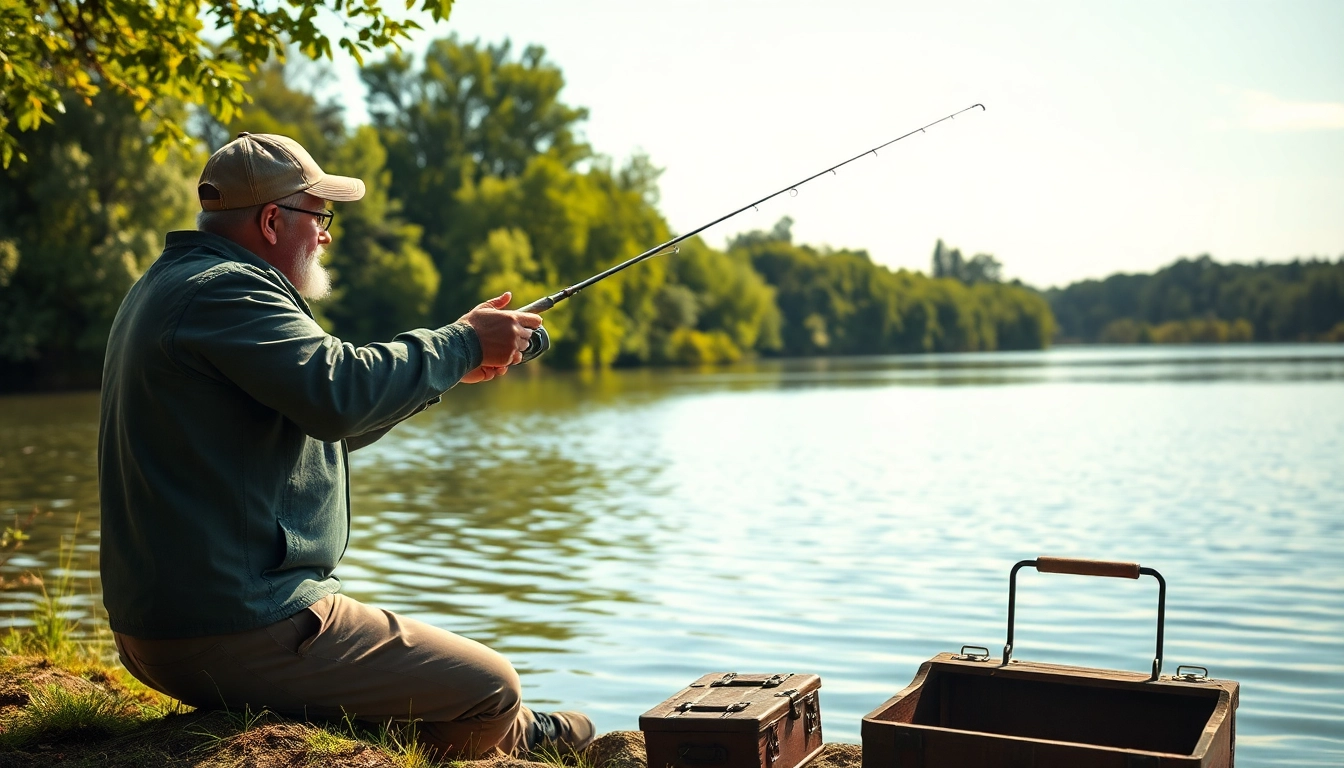
Fly fishing for bass is an exhilarating way to connect with nature and bring your angling skills to the next level. Unlike traditional fishing, fly fishing utilizes artificial flies crafted to mimic the natural organisms that fish typically feed on, allowing anglers a unique approach to bass fishing. Whether you are a novice angler eager to find your footing in this captivating sport or an experienced fisherman looking to diversify your techniques, understanding the essential components of fly fishing for bass is paramount. Here’s a guide to get you started on your fly fishing journey.
Equipment Essentials for Beginners
The right equipment can make or break your fly fishing experience. Starting with the basics, you'll need a fly rod, reel, line, and of course, your flies. A typical bass fly rod ranges from 7 to 9 feet in length and is rated for line weights of 6 to 8. A fly reel should ideally balance the rod, ensuring that you have a smooth retrieval of line and can fight bass effectively.
Furthermore, the fly line plays a crucial role. Weight-forward fly lines are often favored for bass fly fishing because they allow for easier casting of larger flies and provide better control. Don't forget to invest in a good leader material (typically 9 feet) that is between 12 to 16-pound test for bass fishing. Additionally, a pair of waders or water shoes will keep you comfortable while you navigate the shores or riverbeds.
Choosing the Right Fly Patterns
Selecting the right fly patterns tailored to the bass's prey is essential. Common choices include Clouser minnows, poppers, and divers. Poppers are particularly effective during warmer months—just retrieve them on the surface for an exciting top-water strike. Fly fishing for bass can be quite rewarding with the correct fly pattern, so always be equipped with a variety to adapt to the conditions, such as imitating bluegill or shad during their spawning runs.
Furthermore, matching the hatch—which refers to choosing flies that resemble the prevalent insects or baitfish in the water—is crucial for success. Take note of the local aquatic life and adjust your fly patterns to ensure bass find your offerings irresistible.
Understanding Bass Behavior
The behavior of bass is influenced significantly by their environment, making it vital for anglers to understand these patterns. Bass are predatory fish, often lurking in structures like submerged rocks, downed trees, and weed beds. During early dawn or late evening, they tend to venture into shallower waters to hunt, making these times prime for fly fishing.
Additionally, understanding their feeding habits can shape your approach. Bass typically go through periods of aggression and periods of lethargy. In warmer months, they are more active, often chasing schools of baitfish. However, during colder conditions, bass become more dormant. Identifying these behavioral patterns can help increase your chances of hooking a big one.
Key Locations for Bass Fly Fishing
When it comes to fly fishing for bass, knowing where to fish is just as crucial as knowing how to fish. Identifying prime habitats and understanding their characteristics can significantly enhance your fishing success.
Identifying Ideal Habitats
Ideal habitats for bass include lakes, ponds, rivers, and streams rich in vegetation. Each environment provides unique features that bass utilize for cover. When scouting for locations, look for areas with submerged structures, grassy banks, or rock formations, which can serve as ambush points for bass as they chase prey.
During spring and summer, shallow flats near these structures become hotspots, particularly during spawning when bass move in to protect their nests. Additionally, the backs of coves provide prime localities where water is warmer and often filled with baitfish.
Weather Conditions to Consider
The weather plays a significant role in bass fishing, impacting feeding behavior and movement. Overcast days can often lead to more aggressive feeding as bass feel more secure moving in open waters. Conversely, bright, sunny days may drive bass deeper into cover and make them less active.
High-pressure systems tend to lead to stable weather but can also reduce fish activity. In contrast, storms may increase feeding activity just before and after they pass through, as bass become more opportunistic feeders during unstable conditions.
Seasonal Patterns and Their Impact
Seasonality affects not only bass behavior but also their locations and feeding habits. In spring, spawning season brings bass into shallower waters where they become easy targets for fly fishers. As temperatures heat up in summer, bass retreat to cooler, deeper waters, meaning your technique should adapt accordingly.
In fall, as temperatures drop, bass can be found along the edges of weed beds and rocky bottoms, feeding voraciously to prepare for winter. Understanding these seasonal patterns is crucial for devising effective fly fishing strategies throughout the year.
Advanced Techniques for Mastering Fly Fishing
Once you’ve grasped the basics of fly fishing for bass, it’s time to elevate your technique to ensure maximum effectiveness on the water.
Matching the Hatch: What It Means
Matching the hatch involves observing and identifying the specific insects, crustaceans, or baitfish present in the water and selecting flies that imitate them closely. This requires patience and careful observation but can translate into an outstanding fishing experience when done correctly.
Utilize entomology resources or apps to become familiar with local species, or bring a pair of binoculars to the water to study what’s hatching. This insight can help refine your fly selection, baiting techniques, and overall fishing strategy on any given day.
Reading Water and Bass Movement
Reading water effectively can set apart an average angler from a successful one. Pay attention to water currents, depth, and structure, which can all indicate bass locations. Warm water often attracts baitfish, so areas with current that push warmer water towards shallows could be ideal.
Watch for surface disturbances indicating fry activity or larger predators. Identifying these signs can lead to successful strikes or increased activity around angling spots.
Advanced Casting Techniques
To maximize your fishing potential, mastering casting techniques is essential. Techniques like the double haul can increase casting distance and precision, while roll casts may be necessary when fishing in confined spaces where backcasting is not an option. Learn to switch your cast direction smoothly, especially in windier conditions, to keep your fly in the strike zone longer.
Practice your casting at local parks or ponds, focusing on accuracy rather than distance. The more comfortable you become with your equipment, the more adaptable you will be when faced with the unpredictability of rivers, streams, or lakes.
Conservation Practices in Fly Fishing for Bass
As enthusiasts of bass fly fishing, we share a responsibility to protect and sustain the environments that make our sport enjoyable. Conservation practices not only preserve fish populations but also enhance future fishing experiences.
Catch and Release Guidelines
Implementing effective catch and release practices is crucial for maintaining healthy bass populations. Use barbless hooks to minimize injury and avoid using nets when possible, as they can damage a fish’s protective slime layer. When releasing bass, handle them with wet hands and keep them in the water as much as possible to reduce stress.
Consider using a fish ruler or measuring mat to determine size for catch and release. Many anglers choose to release any bass over a certain size to increase population sustainability.
Impact of Fly Fishing on Ecosystems
Fly fishing, when practiced responsibly, has a minimal impact on ecosystems. Unlike commercial fishing or other methods, fly fishing promotes skill, patience, and sustainability. However, educating yourself about the local ecosystem and potential hazards is essential. Avoid fishing in sensitive areas or during spawning seasons to ensure the health of the habitat remains intact.
Promoting Sustainable Fishing Practices
Becoming an advocate for sustainability can enhance the fly fishing community's experience. Participate in local clean-up events, report invasive species, or support conservation groups. Sharing educational resources with other anglers can further promote sustainable fishing practices, ensuring that generations to come can enjoy the sport we cherish.
Connecting with the Community of Bass Fly Fishers
Building relationships within the fly fishing community can enrich your experience and provide valuable insights into your journey. Collaborating with others can lead to new opportunities, techniques, and friendships.
Joining Local Fishing Clubs
Local fishing clubs serve multiple purposes: they provide networking opportunities, access to exclusive fishing locations, and even organized events. Many clubs offer mentorship programs where novice anglers can learn from experts, enhancing the learning experience significantly.
Participation in club activities can introduce you to like-minded individuals while providing a platform for sharing experiences, tips, and successful techniques.
Participating in Fly Fishing Events
Attending annual fly fishing expos, tournaments, and workshops can expose you to the latest gear, technology, and techniques in the industry. These events often feature guest speakers, classes, and demos, making them perfect for learning and networking.
Furthermore, competitions can be a fun way to challenge your skills and meet fellow enthusiasts keen on refining their craft.
Online Resources and Forums for Beginners
The digital age has provided countless forums and resources for fly fishers of all levels. Engaging in online communities can facilitate connections with experienced anglers who share insights, questions, and personal anecdotes that enrich the learning process.
Many online platforms provide access to webinars, tutorial videos, and articles that cover a wide range of topics, making it easier for newcomers to dive into fly fishing for bass effectively.
Fly fishing for bass is more than just a hobby; it is a lifestyle that ties together nature appreciation, community involvement, and sustainable practices. By understanding the foundations and complexities of this beautiful sport, you will become a more confident and responsible angler. Happy fishing!