
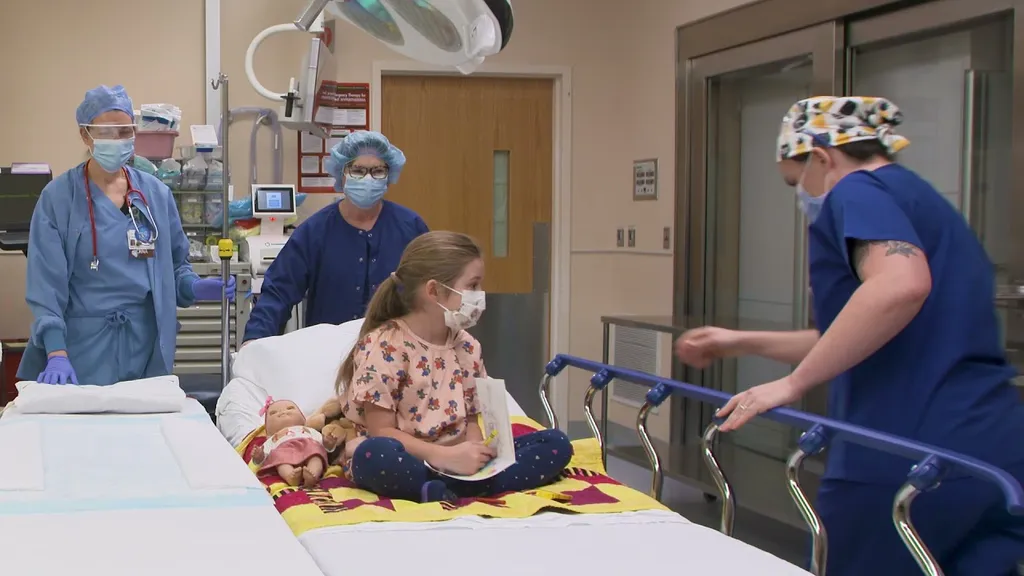
When a child is advised to undergo a medical procedure, parents often have two concerns at once: understanding what will happen and helping the child feel comfortable. Preparation can make the experience more organized for everyone involved. Whether the procedure is minor or complex, knowing the steps in advance can help families approach pediatric surgeries with greater clarity and confidence.
Start With A Clear Medical Conversation
Preparation begins well before the day of the procedure. Parents should understand why the procedure has been recommended, what it involves, and what the medical team expects to achieve.
A doctor can explain the planned procedure in age appropriate language and discuss possible risks, benefits, alternatives, and expected recovery. Parents should feel comfortable asking about anything they do not understand.
It can also be useful to clarify how long the procedure may take, whether the child will need to stay at the hospital, and what type of follow-up may be required.
Share Your Child's Complete History
A child's medical history can influence preparation and treatment. Parents should provide accurate information about previous illnesses, allergies, medications, surgeries, and reactions to medicines or anesthesia.
If the child has recently experienced fever, cough, vomiting, infection, or another health change, the medical team should be informed. Even seemingly minor details can help doctors determine whether the planned procedure should continue as scheduled.
Previous medical reports and test results may also help the team avoid unnecessary repetition and understand the child's health more completely.
Understand Pre Procedure Instructions
Medical teams may provide specific instructions before a procedure. These can involve fasting, medication schedules, bathing, clothing, arrival time, or other preparations.
Fasting instructions are particularly important when anesthesia or sedation is involved. Parents should follow the instructions provided by the healthcare team rather than relying on general advice from other sources.
If any instruction is unclear, it is better to contact the medical team before the procedure. Consulting a best urologist near me may also be relevant when a child's procedure involves urinary or urological concerns. Guessing can create avoidable risks or delays.
Prepare The Child With Simple Words
Children understand medical experiences differently depending on their age and development. A young child may only need a short explanation, while an older child may want to know more about what will happen.
Parents can use simple, honest language. Instead of making promises about what the child will or will not feel, they can explain that doctors and nurses will be there to help and that the child can ask questions.
Avoiding frightening descriptions is also helpful. Children can pick up on parental anxiety, so a calm and reassuring approach can make the unfamiliar environment feel more manageable.
Pack For Comfort And Convenience
A hospital visit becomes easier when practical needs are considered in advance. Parents can prepare comfortable clothing and any items the hospital has specifically requested.
For younger children, a familiar toy, book, blanket, or other comforting object may help reduce anxiety. Older children may prefer headphones, a book, or another quiet activity.
Parents should also keep important medical documents and current medication information accessible. Being organized reduces last minute stress and allows attention to remain focused on the child.
Plan Around Medication Needs
Some children take regular medicines, and these may need to be adjusted before a procedure. Parents should not stop or change prescribed medication unless the medical team provides specific instructions. Consulting specialists experienced in pediatric surgeries can also help families understand procedure specific medication requirements.
The doctor or anesthesiologist may need information about the child's current medicines, including over the counter products or supplements.
Following the recommended medication plan can help the procedure proceed safely. If a dose is accidentally missed or taken at the wrong time, the medical team should be informed rather than keeping the information to oneself.
Discuss Anesthesia And Recovery
If anesthesia or sedation is involved, parents may have questions about how it works and what their child may experience afterward. These concerns are normal and can be discussed with the anesthesiology team.
After the procedure, some children may temporarily feel sleepy, nauseated, confused, or uncomfortable. The medical team will monitor the child and provide appropriate instructions for recovery.
Before leaving the hospital, parents should understand how to manage pain, medications, eating, activity, wound care, and follow up. Knowing what is expected can make the transition home smoother.
Recognize When Follow Up Matters
Follow up is an important part of pediatric procedural care. A doctor may need to check healing, review test results, remove dressings or stitches, or assess whether the child can return to normal activities.
Parents should also know which symptoms require medical attention. The healthcare team can explain what is expected during recovery and which changes should prompt a call or urgent evaluation.
Keeping the follow up appointment can help the medical team confirm that recovery is progressing as expected.
Choosing Appropriate Medical Support
The facility and medical team can influence how smoothly a pediatric procedure is managed. Parents may consider whether the hospital has trained pediatric specialists, appropriate infrastructure, anesthesia support, diagnostic facilities, and emergency care when evaluating healthcare options.
Families may also have healthcare needs beyond a child's procedure. For example, parents searching for a best urologist near me may need specialized consultation for urinary or reproductive concerns in an adult family member.
Similarly, women may require specialized services during pregnancy, childbirth, or other stages of life. A women’s hospital can provide dedicated care for gynecological and maternity needs, making access to appropriate specialists an important consideration for families.
Conclusion
Preparing a child for a medical procedure involves more than arriving at the hospital on time. Understanding the procedure, following pre-procedure instructions, sharing medical history, preparing the child emotionally, planning for recovery, and maintaining communication with the healthcare team can make the experience more manageable.
Every pediatric procedure is different, so families should follow the specific guidance provided by their child's medical team. For families seeking specialized healthcare for women and children, Ankura Hospitals offers access to pediatric and related medical services designed around different stages of family healthcare.