
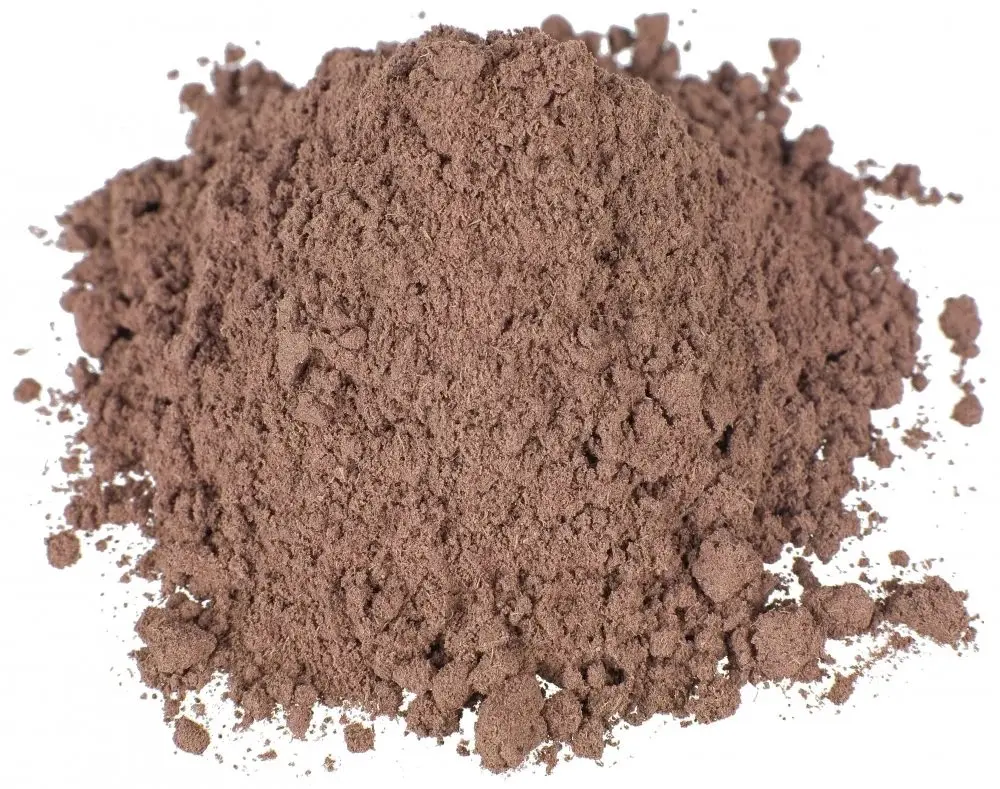
Myrobalan dye has become an essential natural colorant for artisans who value sustainability, craftsmanship, and plant-based techniques. As more creators transition toward eco-friendly textiles, Myrobalan dye stands out for its renewable origins, high tannin content, and warm golden hues. At Natural Dye, makers rely on Myrobalan dye to enrich fibers, improve colorfastness, and enhance the overall depth of botanical color work. Its versatility and environmental benefits make it a foundational ingredient for anyone dedicated to sustainable dyeing.
Why Myrobalan Dye Supports Eco-Friendly Practices
A Renewable Botanical Resource
Derived from the fruit of the Terminalia chebula tree, Myrobalan dye is a biodegradable and renewable colorant. The tree produces fruit year after year, ensuring an ongoing supply without harming the ecosystem. Using Myrobalan dye helps reduce reliance on synthetic chemicals and promotes environmentally conscious crafting.
Low-Impact Natural Dyeing
Because Myrobalan dye is plant-based and non-toxic, it allows fiber artists to create vibrant colors without polluting waterways or exposing themselves to harsh substances. Its natural tannins eliminate the need for chemical mordants, making Myrobalan dye a safer option for both the environment and the artist.
The Benefits of Myrobalan Dye for Natural Color Work
Rich Tannin Content for Better Results
Myrobalan dye is celebrated for its high tannin levels, which bond exceptionally well to cellulose fibers. This natural bonding agent helps dyes adhere more deeply and evenly. When preparing plant-based textiles, Myrobalan dye provides a strong base layer that enhances every stage of the dyeing process.
Producing Warm Yellow and Golden Shades
In its pure form, Myrobalan dye creates beautiful yellow tones ranging from pale honey to rich, earthy gold. These hues are prized for their natural, timeless appeal. Whether used alone or layered with other botanical dyes, Myrobalan dye delivers versatile, nature-inspired color.
Perfect for Layered Natural Dyeing
Myrobalan dye is often used as an underlayer before applying additional plant-based dyes. When combined with indigo, it transforms blues into a spectrum of greens. When paired with madder, it enriches reds and oranges into warm, complex tones. This layering capability makes Myrobalan dye essential for achieving depth and dimension.
Techniques for Sustainable Use of Myrobalan Dye
Preparing Cellulose Fibers
For the best results, fibers should be carefully scoured and cleaned. Once prepared, they can be treated with Myrobalan dye to introduce tannins naturally. This pretreatment stage is crucial for plant-based materials like cotton, linen, bamboo, and hemp. Using Myrobalan dye at this stage ensures smoother color absorption and improved longevity.
Creating a Sustainable Dye Bath
Dissolving Myrobalan dye in warm water produces a gentle golden bath. Adjusting dye concentration allows artisans to control depth and intensity. Even in higher concentrations, Myrobalan dye remains eco-friendly and biodegradable, supporting sustainable studio practices.
Modifying Shades with Natural Additives
Fiber artists often shift the color of Myrobalan dye using iron, which deepens yellows into mossy olive, bronze, or antique gold tones. Because both Myrobalan dye and iron are natural and low-impact, this process maintains environmental integrity while broadening the available palette.
Applications of Myrobalan Dye in Sustainable Craft
Eco-Printing and Botanical Printing
Eco-printers rely on Myrobalan dye for its ability to bind pigments from leaves and flowers onto fabric. Its tannins improve print clarity and help shapes remain vivid after washing. The golden tint from Myrobalan dye also enhances the natural beauty of botanical prints.
Handwoven and Handspun Textiles
Weavers and yarn artists frequently use Myrobalan dye to prepare plant-based yarns. By improving color adhesion, Myrobalan dye ensures that woven fabrics have consistent tones and long-lasting vibrancy. This makes it a vital ingredient for sustainable textile production.
Slow-Fashion and Artisan Garments
Designers committed to slow-fashion principles appreciate how Myrobalan dye supports ethical craftsmanship. Its renewable origin and low environmental impact align perfectly with the values of conscious clothing production. Garments dyed with Myrobalan dye carry both visual richness and ecological integrity.
Choosing High-Quality Myrobalan Dye for Sustainable Work
Selecting premium Myrobalan dye is essential for achieving rich colors and reliable results. High-quality Myrobalan dye dissolves easily, contains potent tannins, and offers consistent pigmentation. For artisans focused on sustainable creation, investing in superior Myrobalan dye ensures that each project reflects both artistic intention and environmental responsibility.
The Future of Sustainable Natural Dyeing with Myrobalan Dye
As interest in eco-friendly textile craft continues to grow, Myrobalan dye remains at the forefront of sustainable color innovation. Its ability to enhance other dyes, strengthen fibers, and provide beautiful, natural hues makes it invaluable for modern dye artists. With the rise of plant-based design, Myrobalan dye represents a bridge between traditional dyeing heritage and forward-thinking environmental practices.
Conclusion
Myrobalan dye stands as one of the most effective and sustainable tools in natural dyeing. Its rich tannins, warm yellow pigment, and eco-friendly profile make it essential for anyone working with plant-based textiles. Whether you are layering botanical colors, preparing cellulose fibers, or creating earth-inspired prints, Myrobalan dye elevates every aspect of the craft. By choosing Myrobalan dye, creators embrace both artistic excellence and a sustainable future—one dyed fiber at a time.